
Digital Studio
Playable prototypes, game systems, and interactive experiences.
We build interactive experiences around a core mechanic: a focused concept, a playable prototype, then the systems, tools, and interfaces that support the game. Browser experiences, brand experiences, and full game projects are in scope, and each milestone is something you can play.
Who this is for
Studios and founders who want to test a new mechanic before committing a budget. Teams that have a concept and need a playable slice to show partners, publishers, or players. Brands that want an interactive or browser experience with a world and a reason to come back. Teams building the services around a game, such as accounts, saved progress, leaderboards, or live-event backends.
An idea becomes a game when it feels good to play
That is the hard part, and it cannot be judged from a document. Concepts that read well often play poorly; mechanics that look small turn out to carry the whole game. So the work starts by agreeing the audience, the platform, and the core loop, then building the smallest playable version that tests it. Creative direction and engineering move together around the experience: the mechanic, the visual language, and the systems and tools that let the game grow.
What you get
01
A focused game concept with the core loop, audience, and platform written down, and a clear list of what is out of scope for the first phase.
02
A playable prototype of the core mechanic, built to be played and judged by real players, not shown on slides.
03
Core gameplay, progression, and interface implementation: controls, feedback, menus, and the systems that carry progress from session to session.
04
A visual and content pipeline suited to the project, so assets, levels, and content can be added without rebuilding the game.
05
Builds, playtesting, and performance work, with release preparation for the platform you choose.
06
Supporting services where the game needs them: accounts, saved progress, leaderboards, and real-time features.
How it works
Architecture
Agree the audience, platform, and core loop. Decide what the first playable must prove. Choose technology to fit the project, not the other way round.
Onboarding
Build the playable slice. Set up builds, version control, and a way to get the game into testers’ hands quickly. Establish the visual language early enough that art and code develop together.
Migration
Refine through playtesting: observe players, change one thing at a time, and keep what improves the feel. Expand content and systems against an agreed release scope, with each milestone playable.
Support
Performance work, platform requirements, and release preparation, followed by the fixes and updates that real players surface. Terms for post-release support are agreed per project.
What the demos on this site are
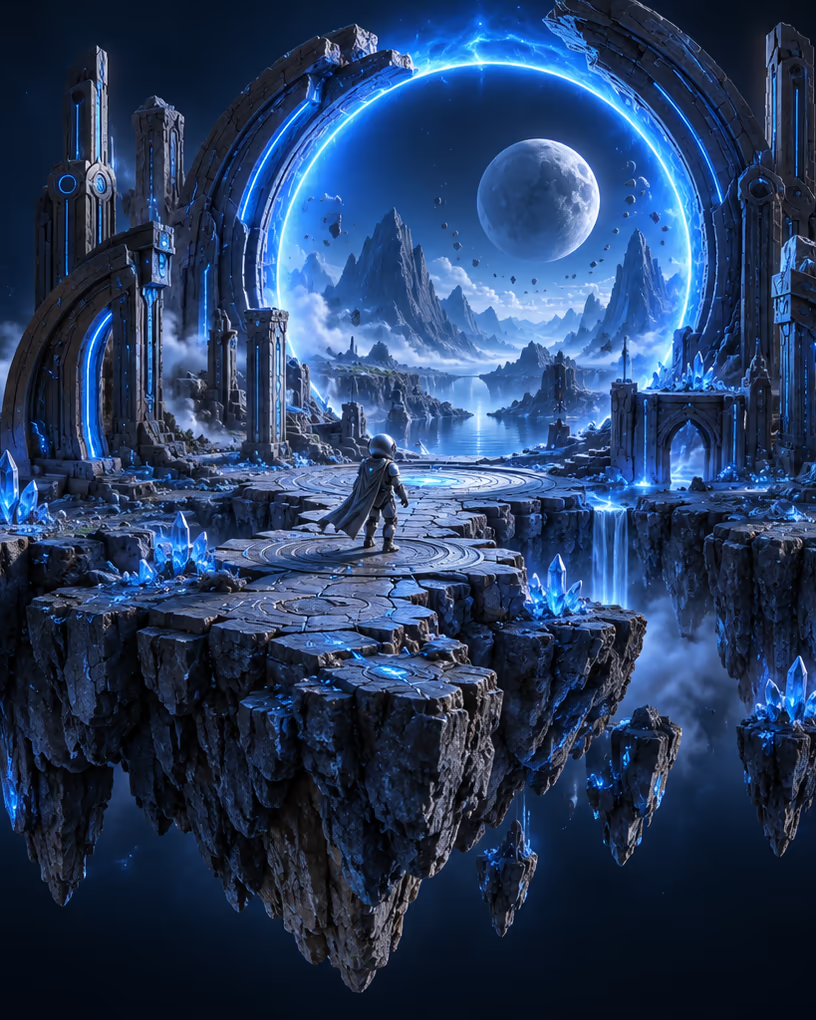
The studio section of the home page includes an original portal puzzle and concept art of a floating-island world. They show how the studio approaches interaction, art direction, and engineering. They are not shipped games, and the site labels them as a demo and concept art.
Limits
A prototype tells you whether an idea is worth more investment; it does not guarantee a commercial result. Scope, platforms, timelines, and ownership of the code and assets are agreed in writing. Engine and platform choices are made per project, and platform-holder requirements, such as store submission rules, are checked against their current documentation at the time.
Questions
What does a first engagement look like?
A short prototype phase: a written concept, a playable slice of the core mechanic, and a playtest with real players. At the end you hold something you can play and a clear view of what the full project would take. You decide whether to continue on that evidence, not on a pitch deck or a promise.
Which platforms and engines do you work with?
Browser and desktop experiences are the natural starting points, and the engine follows the project’s needs rather than the other way round. The platform is agreed in the first stage, because it shapes controls, performance targets, and release requirements. If a project needs a platform that would be a poor fit, that is said early.
Can you build the online features around a game?
Yes. Accounts, saved progress, leaderboards, and real-time services are engineering problems, and they get the same discipline as the infrastructure work: least-privilege access, staged releases, monitoring, and a way back. Cloudflare’s developer platform suits many of these backends, as do AWS, Microsoft Azure, and Google Cloud, and the choice is made per project.
Are the games on your site shipped titles?
No. They are original demos and concept art, labeled as such. The portal puzzle is a small interactive piece built to show the quality of interaction, and the floating-island world is an illustration. If you want to see how a prototype feels, play the demo and tell us what you would change.
How do you keep a game project from growing out of control?
By agreeing what the first playable must prove and what is out of scope, then adding content against an explicit release scope. Each milestone is playable, so progress is visible and priorities can change on evidence. Changes to scope are discussed with their cost before they are accepted, not after.
Do you work with existing studios or teams?
Yes. The engagement can be a prototype for a studio, engineering for a specific system or tool, or a project run end to end. The split of responsibilities, access to repositories, and the review process are agreed at the start, so both sides work from the same plan and the same build.